Canvas vs Paper Prints — What Most People Don’t Know
Understanding the Difference Between Canvas and Paper Prints
When choosing wall art for a home, most people focus on the artwork itself — the design, colors, or subject of the painting. However, one important factor that is often overlooked is the material used to print the artwork.
Two of the most common options available today are paper prints and canvas prints. While both can display beautiful images, the overall experience they create in a space can be quite different.
The material influences the texture, durability, presentation, and long-term quality of the artwork. Understanding these differences helps homeowners choose the option that best suits their interior style and expectations.
What Are Paper Prints?
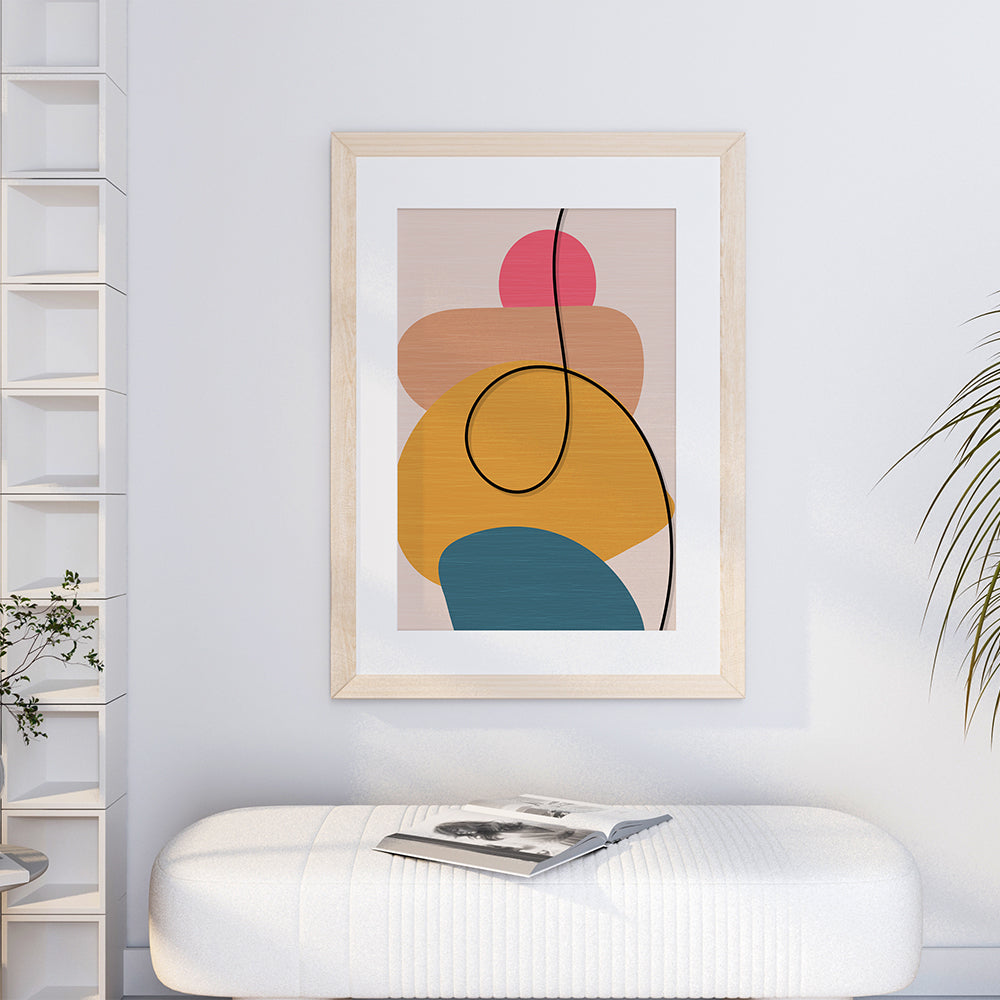
Paper prints are artworks printed on photographic or poster paper. These prints are widely used for posters, photography, and framed decorative pieces.
Because paper has a smooth surface, it can reproduce sharp details and vibrant colors. This makes paper prints suitable for images that require high clarity.
However, paper prints usually require framing with glass for protection. The glass helps preserve the print but can sometimes create reflections when light falls directly on it.
Paper prints are commonly chosen for:
-
posters and photography prints
-
smaller framed artworks
-
gallery walls with multiple frames
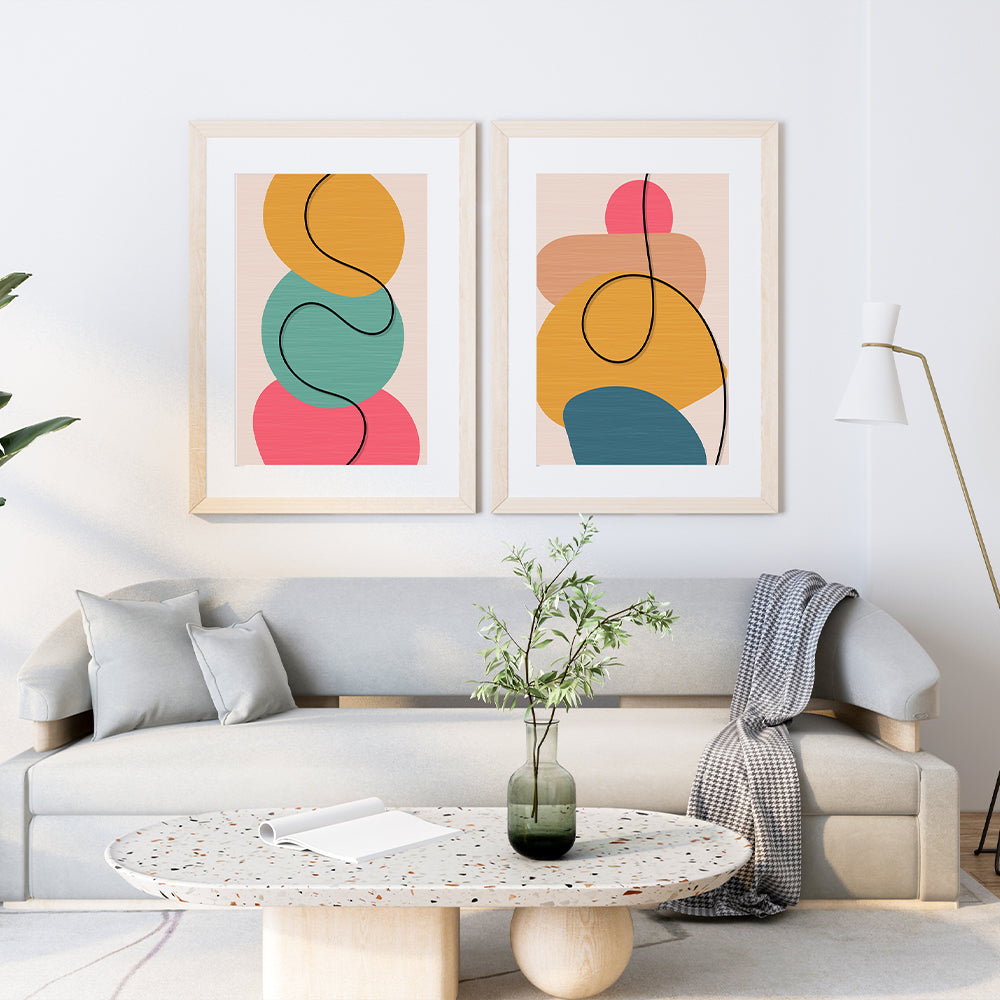
While they can look elegant when framed well, the presence of glass and paper texture often gives them a more photographic appearance rather than the look of a traditional painting.

What Are Canvas Prints?
Canvas prints are artworks printed on textured canvas fabric, similar to the material used by painters for traditional artworks.
This woven surface gives the artwork a more natural and artistic look. Unlike paper prints, canvas prints usually do not require glass covering, which allows viewers to see the artwork without reflections.
Canvas prints are commonly used for large wall art and statement pieces because the texture adds depth and visual richness.
Different Types of Canvas Presentation
Many people assume canvas artwork only comes in one form, but in reality there are several options.
Canvas Roll
In this format, the artwork is printed on canvas but not stretched on a frame. This allows collectors to frame or mount the artwork according to their own preference.
Stretched Canvas
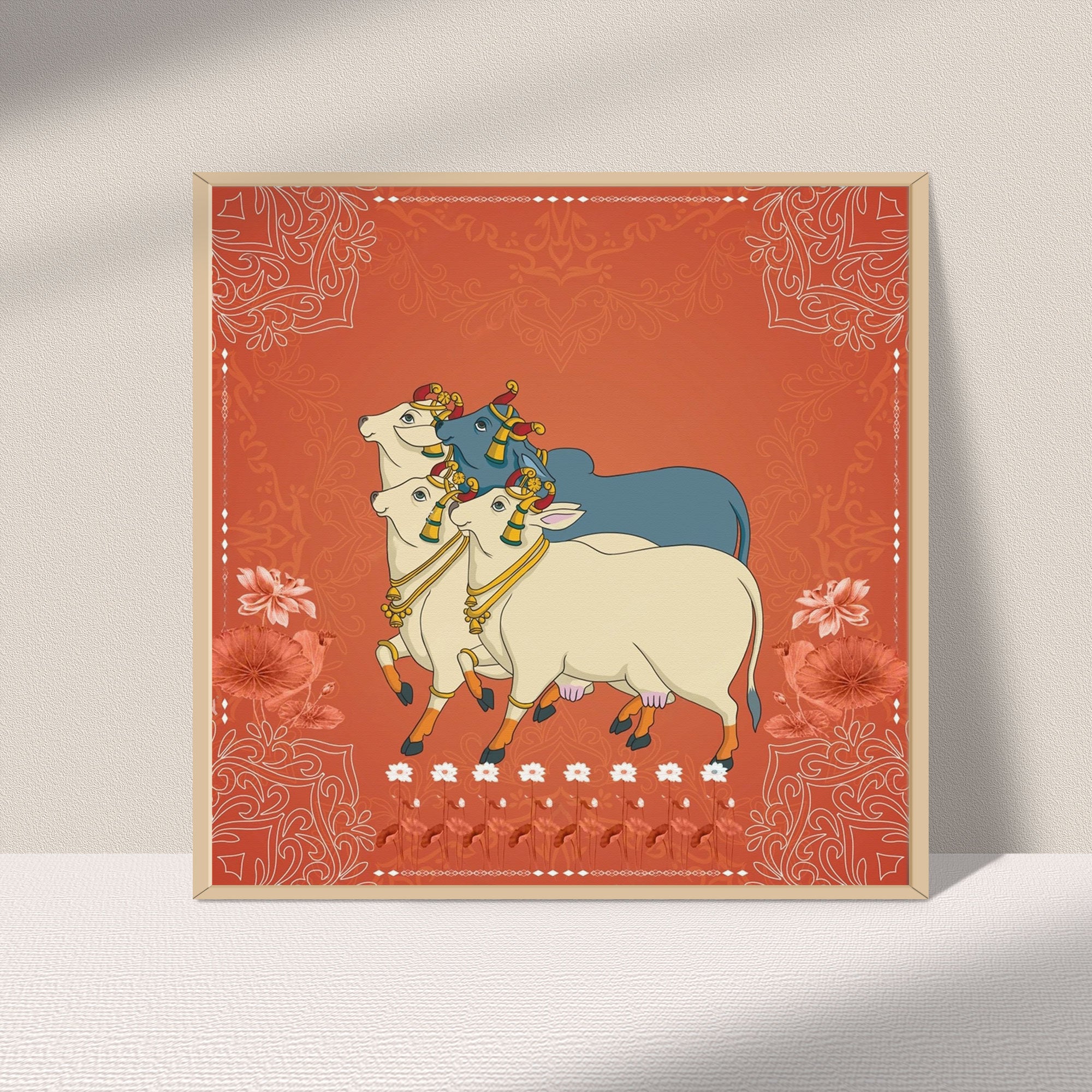
Here, the canvas is stretched over a wooden frame, creating a ready-to-hang piece of wall art. This format is commonly used in galleries and modern interiors.
Framed Canvas
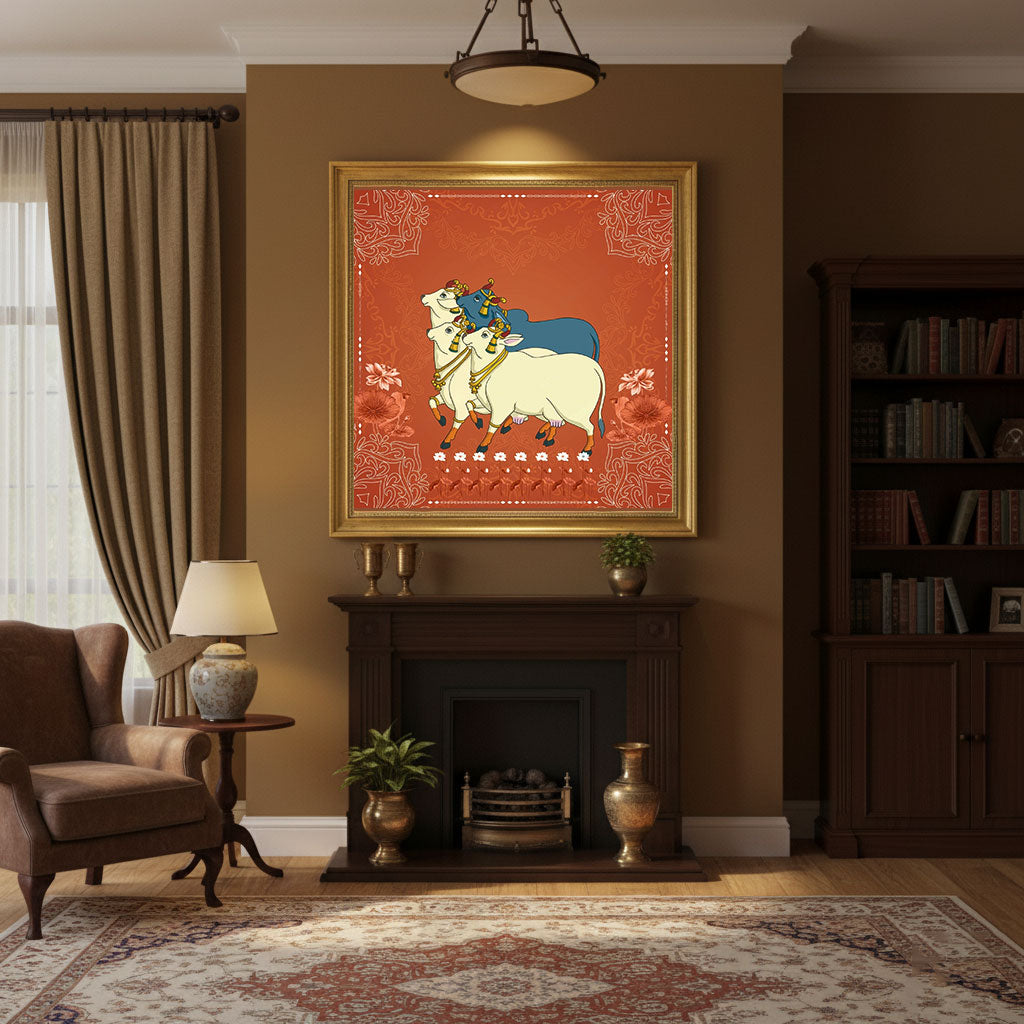
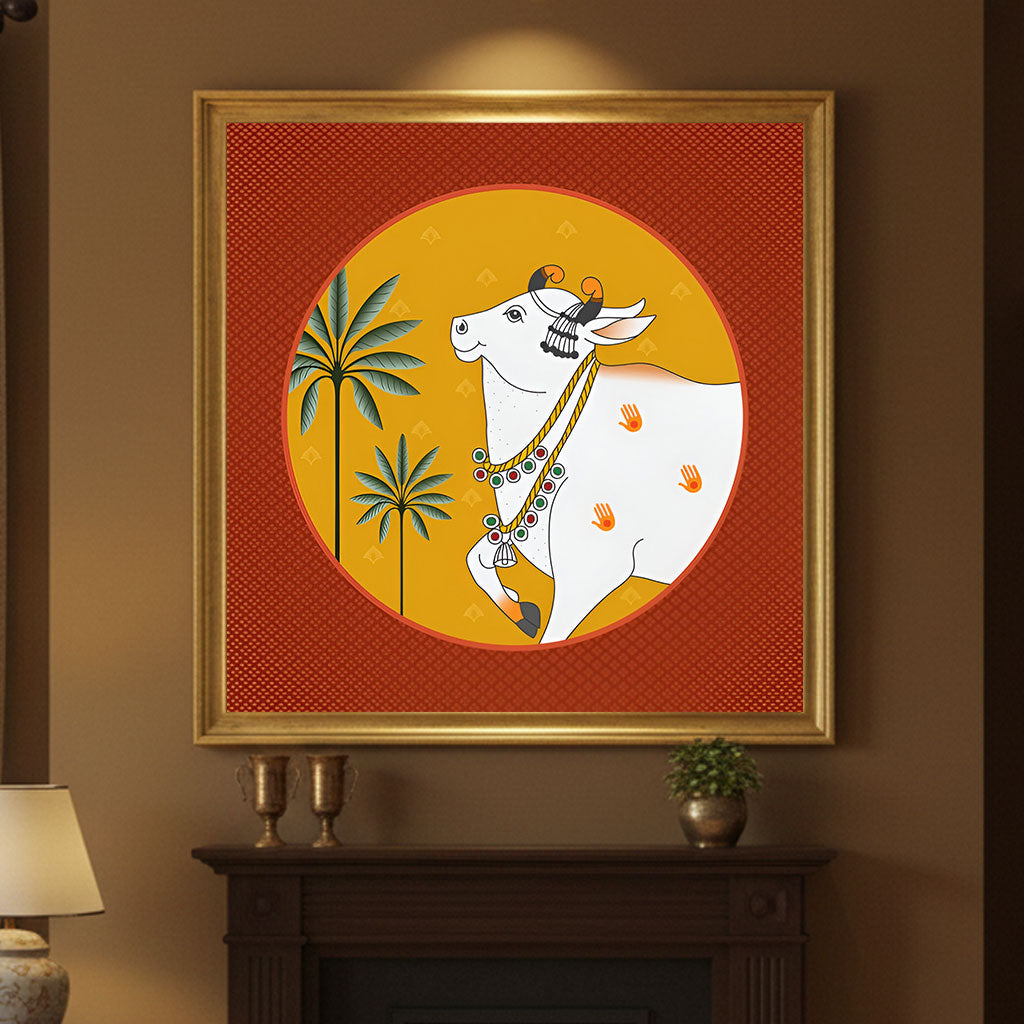
Canvas prints can also be placed inside decorative frames, combining the texture of canvas with the elegance of traditional framing.
This flexibility is one reason why canvas is widely used for interior wall art.

Texture and Visual Experience
The most noticeable difference between canvas and paper prints is texture.
Canvas has a woven surface that adds subtle dimension to the artwork. This texture diffuses light and helps reduce glare.
Paper prints, on the other hand, have a completely smooth surface. When placed behind glass, they may sometimes reflect light, especially in brightly lit rooms.
For larger wall artworks, many people prefer canvas because it feels closer to an actual painting.
Durability and Longevity
Durability is another important factor to consider.
Canvas prints are generally durable and can maintain their appearance for many years when properly cared for.
Paper prints are more delicate and usually rely on glass framing for protection. Over time, exposure to sunlight or humidity may affect paper if it is not preserved carefully.
Because of this, canvas is often chosen for artworks intended to remain on walls for long periods.

Choosing the Right Option for Your Space
Both canvas and paper prints have their advantages depending on how the artwork will be used.
Paper prints are ideal for posters, photography, and smaller framed artworks. Canvas prints are often preferred for large statement pieces where texture and depth enhance the visual impact.
Ultimately, the choice depends on the style of artwork, the size of the wall, and the atmosphere a homeowner wants to create.