Tree of Life Meaning in Different Cultures – Symbolism, Spiritual Roots & Vastu Placement
Across civilizations and spiritual traditions, the Tree of Life has remained one of the most powerful symbols of existence, growth, and cosmic balance.
From ancient Indian history to Buddhist philosophy and even Chinese and Celtic traditions, the Tree of Life represents the same fundamental idea — the connection between nature, humanity, and the universe.
Although the artistic styles may vary across cultures, the core symbolism remains remarkably similar. The tree represents life itself: its roots grounded in the earth and its branches reaching toward the heavens.
This universal symbol reminds us that everything in the universe is interconnected.
The Tree of Life in Indian Mythology – Kalpavriksha
In Indian tradition, the Tree of Life is often associated with Kalpavriksha, the divine tree that grants wishes.
According to history, Kalpavriksha appeared during Samudra Manthan, the cosmic churning of the ocean performed by gods and demons. Among the many divine treasures that emerged from this event, Kalpavriksha became a symbol of prosperity, fulfillment, and divine blessings.
The tree was believed to grow in the gardens of heaven, where it fulfilled the wishes of those who approached it with sincerity.
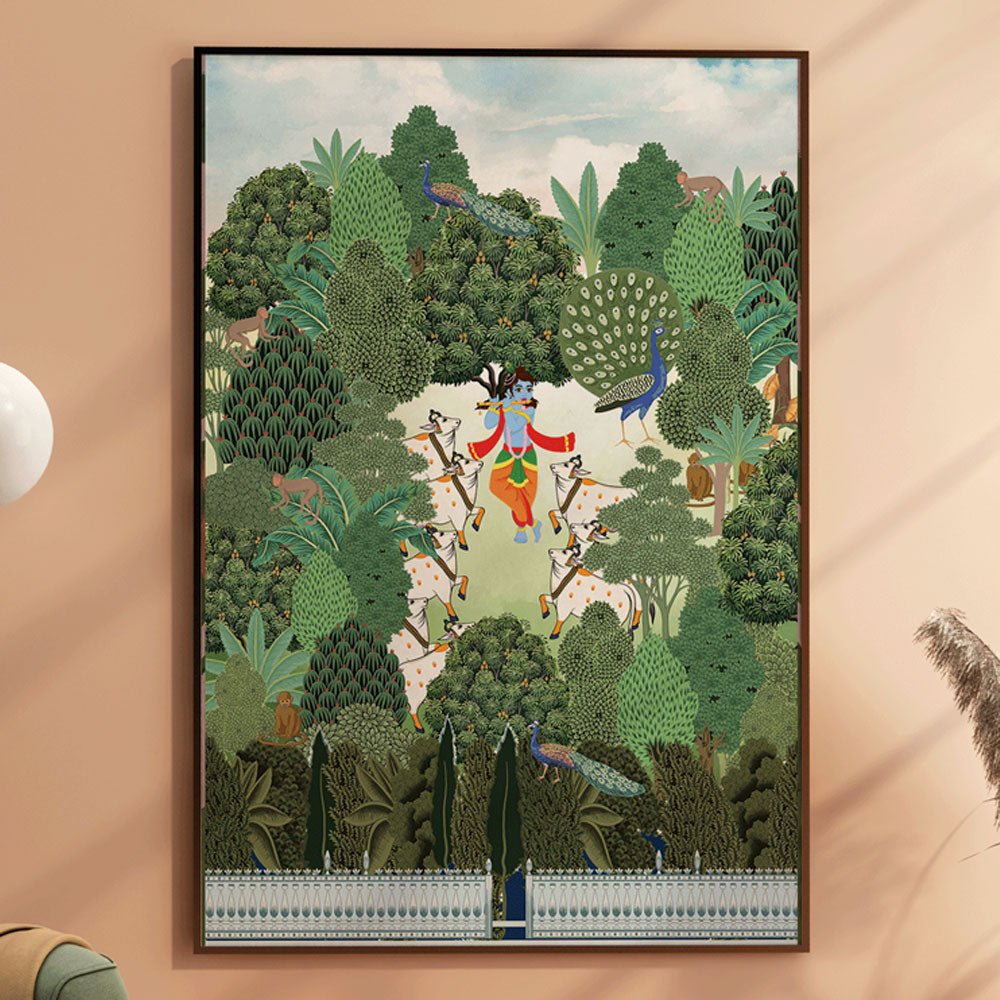
In Indian art, this tree often appears surrounded by animals, birds, flowers, and sacred symbols — representing nature’s generosity and the abundance of life.

The Tree of Life in Buddhism – The Bodhi Tree
In Buddhism, the Tree of Life is represented by the Bodhi Tree, the sacred fig tree under which Gautama Buddha attained enlightenment.
The Bodhi Tree symbolizes wisdom, awakening, and spiritual transformation.
For Buddhists, the tree represents the moment when human consciousness rises beyond suffering and ignorance. It reminds followers that enlightenment is achieved through inner growth and deep understanding.
Because of this symbolism, trees are deeply respected in Buddhist traditions and often associated with meditation and spiritual awakening.
Tree Worship in Chinese and Feng Shui Traditions
In Chinese culture and Feng Shui philosophy, trees symbolize growth, vitality, and prosperity.
The concept of the Tree of Life is often expressed through decorative art featuring flourishing trees, birds, and natural elements. In Feng Shui, such imagery is believed to encourage positive energy flow within a home.
Many traditional artworks depict golden trees or trees filled with birds and fruits, symbolizing wealth, success, and abundance.
The idea is simple yet powerful: a thriving tree represents a thriving life.

The Celtic Tree of Life – Balance Between Worlds
In ancient Celtic culture, the Tree of Life was known as Crann Bethadh.
The Celts believed that trees connected three realms of existence:
-
The underworld through their roots
-
The physical world through their trunk
-
The heavens through their branches
For them, the Tree of Life represented balance between the spiritual and material worlds. It symbolized harmony, wisdom, and the eternal cycle of life.
Celtic artwork often portrays this tree with intertwined branches and roots forming a circle — representing the endless flow of life.
Why the Tree of Life Symbol Is So Powerful
Across all these cultures, one theme remains constant — the Tree of Life represents connection and balance.
It symbolizes:
-
Growth and renewal
-
Harmony between nature and humanity
-
Spiritual wisdom
-
Prosperity and abundance
-
The interconnectedness of life
This is why the Tree of Life continues to appear in art, architecture, and spiritual traditions across the world.

The Significance of Placing a Tree of Life Painting at Home
A Tree of Life artwork is more than decorative wall art. It carries symbolic meaning that can influence the atmosphere of a space.
Many people place Tree of Life paintings in their homes because the symbol represents:
-
harmony and balance
-
positive energy
-
growth and prosperity
-
connection with nature
The imagery of flourishing branches, birds, and life around the tree creates a sense of calm and positivity in interior spaces.
Best Direction to Place a Tree of Life Painting
According to Vastu principles, the placement of symbolic artwork can influence the energy of a home.
Here are some commonly recommended directions for placing a Tree of Life painting:
North or East Wall
These directions are associated with growth, new opportunities, and positive energy.
Living Room Placement
A Tree of Life painting works beautifully as a focal wall in living spaces because it symbolizes harmony and family connection.
Entrance Area
Placing the artwork near the entrance can represent welcoming abundance and prosperity into the home.
Avoid Bathrooms or Dark Corners
Because the Tree of Life represents vitality and growth, it should ideally be placed in open and well-lit areas.
A Timeless Symbol of Harmony and Prosperity
The Tree of Life is one of the few symbols that transcends cultures, religions, and time itself. Whether it appears as Kalpavriksha in India, the Bodhi Tree in Buddhism, or the sacred tree in Celtic traditions, its message remains the same.
It reminds us that life is constantly evolving, connected, and nourished by the universe.
A Tree of Life artwork therefore becomes more than decoration. It becomes a visual reminder of growth, balance, and the abundance that surrounds us.
Explore symbolic artwork inspired by the Tree of Life at Krutik, where traditional meaning meets artistic expression.